In safe hands
In safe hands
To offer our clients protection we carry both public liability insurance and professional indemnity insurance and, as a member of the Chartered Institute of Fundraising and Chartered Institute of Marketing, we abide by the professional standards of both of those bodies.
Rebrand for Red Pencil revealed
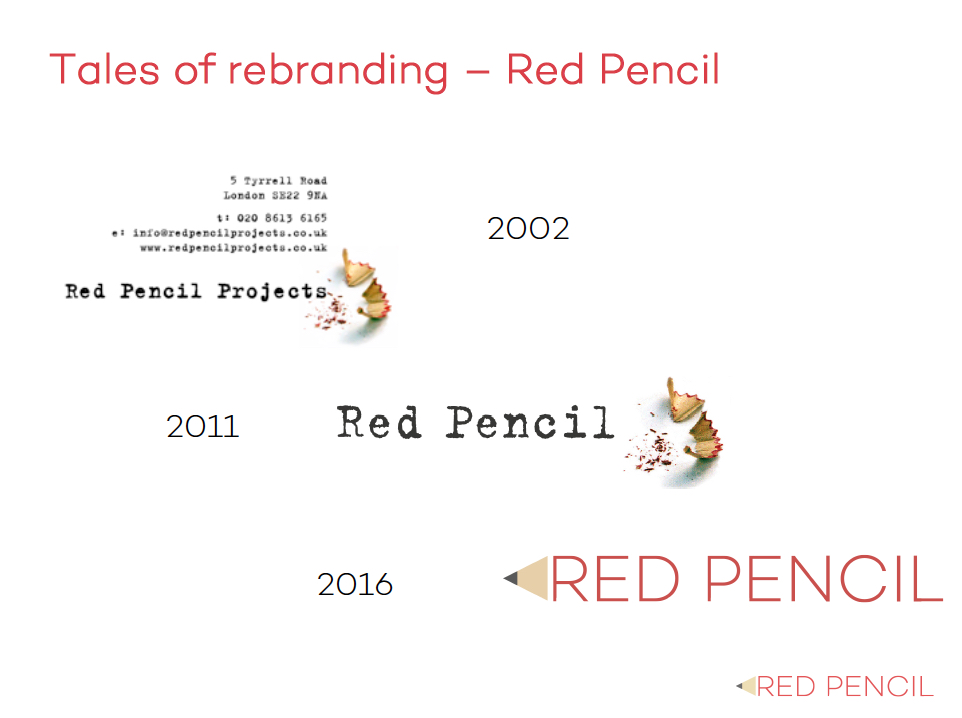
Red Pencil rebrand story slide
“Your organisation doesn’t stay still and your brand needs to adapt to reflect those changes.” We often start conversations with the charities we work with on rebranding project and we thought that we should apply that principle to Red Pencil too. Practice what we preach, etc.
So on 23 September 2016 at the CharityComms’ inaugural small charities’ conference, we launched our new look! The image at the top of this blog is a slide from the presentation Natasha gave at that conference – on branding!
When Red Pencil started in 2002 the name Red Pencil was already taken. We had to launch as Red Pencil Projects, which was OK. Most of our early work was project-based.
Our early commissions also involved a lot of writing, reflecting Natasha’s background as a writer, editor and manager. So, Red Pencil was a reference to the ‘red pens’ loved by editors but adapted to be softer and more collaborative. The original pencil shavings and ‘typewriter’ font in our logo was a retro nod to the core tools of a writer.
Brand refresh
Over the years, the other Red Pencil went out of business so we took the opportunity to register the name we wanted originally. It also made sense for the work we were doing by 2011. We were doing less project delivery and more strategic consultancy and the range of services had broadened.
Rebrand
As we entered 2016, we felt our lovely logo had served us well but it was time to update to a more contemporary look. The links back to writing, editing and journalism, while still embedded in our work, were less directly relevant to many of the commissions we were delivering.
However, like many organisations, we are proud of our history and wanted to keep visual references to it. Changing our name was not on the cards but we also hung onto our heritage red as the main brand colour and the buff cream that references wooden shavings and pencil tips.
Rebrand in practice
Having taken others through the process, it was a good lesson to do so ourselves.
It is very true that you need to be clear about what you do and why, before you can rebrand with confidence.
Partly because we were very clear about our brand story, our rebrand process was relatively quick. We were able to make decisions quickly and confidently (and there are not very many of us). We were also lucky enough to work with Waterbear Design, who were really responsive and excited by the brief. They are also based in the same part of London as we are – so that made meetings very easy.
We are delighted by the results and are really enjoying using it.
You can read about the benefits of branding and rebranding for small charities we revealed in a research project we did with Cass Centre for Charity Effectiveness.
Happy 13 Birthday Red Pencil – we’re officially a teenager now

Poised midway between reflection and ambition, birthday’s shine a particular light on a moment in time. Here’s the story of Red Pencil and how we got to where we are now.
The birth of Red Pencil
Red Pencil was set up when the remaining regional television companies were taken over by Granada and Carlton TV in 2002.
When this happened, I was running the social action unit at London Weekend Television, responsible for all the publications, events, helplines and (very new) websites offering support and information at the end of programmes. This was well before social media, I had even been responsible to LWT’s teletext weekend help pages during my tenure! Whatever the channel, the purpose was to put Londoners in touch with the amazing array of free information, advice and guidance from London’s rich voluntary sector.
It was a massively varied job. Pretty much all topics crossed my desk from cancer, eating disorders and depression though to London’s social history, its arts and cultural scene and children’s cookery – plus everything in between. We were once sponsored to support a series of London’s Burning and I had to write weekly advice booklets based on the storylines – so, yes, I do now know what the legal position is if you are riding a tandem bike while drunk with your wife, who isn’t!
Why Red Pencil?
I often get asked where the name Red Pencil came from. It was born out of lots of flip chart sheets scattered around mine and @AlecRedPencil‘s sitting room.
I wanted a name that reflected my professional roots as a writer, editor but that would be flexible enough to encompass project management, running public events and helplines, and anything else that might come our way in the future.
A red pen in the days before digital editing was a well-recognised tool of a writer’s trade. However, a pen sounded to harsh for the collaborative way in which we wanted to work. Eventually it occurred to us that a red pencil was a much softer approach and less specifically tied to writing and editing.
But there was a problem! Someone else was already registered as Red Pencil with Companies House. An employment agency?! So we launched as Red Pencil Projects and had to wait for eight years for Red Pencil to become available.
Where Red Pencil started
I was incredibly lucky that the lovely Sue Elliott who was then at the independent television regulator, ITC, and who went on to write an extraordinary book about finding her long lost sisters, retained me to support some of ITV’s network programmes. So some of our very early commissions were to produce Sue’s Love Child story, Melvin Bragg’s 12 Books the Changed The World and Lad’s Army – The Story of National Service.
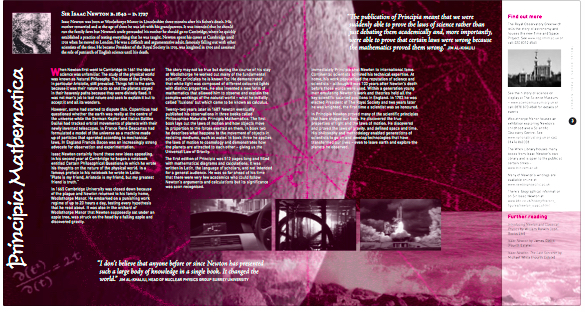
12 books That Changed the World
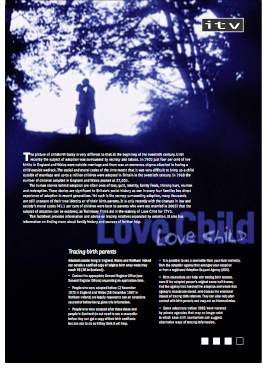
Love Child factsheet cover
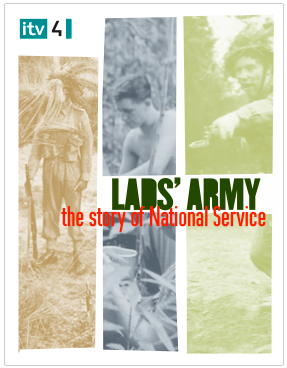
Lad’s Army publication cover
We also started working directly with charities too. Having been the interface between the broadcaster and London’s voluntary sector while at LWT, there was a natural attraction (and contacts) with London’s non-profits. Mostly, I worked with charities as a writer and editor and here are some of those earlier publications from the archives. IVAR’s Bridging Community Divides, Kids’ Annual Review and RedR’s Annual Review
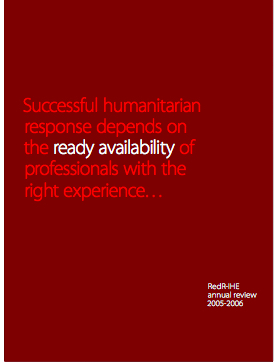
RedR Annual Review
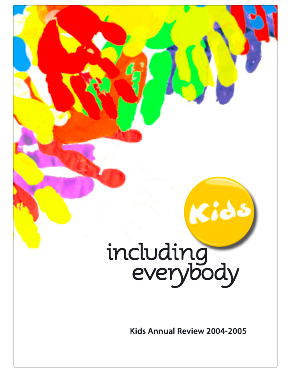
Kids Annual Review
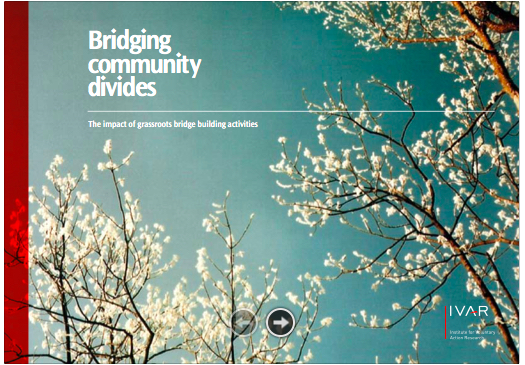
IVAR report on Bridging Community Divides
The Red Pencil journey
Over time, we found that we were having more and more conversations with CEOs and senior teams about the strategic thinking that was required to produce a publication or a website that clearly told the story of what the charity did and the difference it made. There’s nothing like a website or a publication to thrown up any ‘wobbly’ strategic thinking, in fact any communications piece will often do it.
Increasingly I started working with senior teams to support strategy development and also to use my communications background to enhance marketing and fundraising functions. Less of our work became about producing publications and more was focused on digital channels and supporting staff teams to deliver good quality, consistent communications, marketing and fundraising strategies and activities for their beneficiaries.
Red Pencil today
So today Red Pencil is ‘we’ not ‘I’. @AlecRedPencil @LauraMoretonG and @RuthHarisson57 now form the core team and @AnnieBeanie and others also join us when we have the sort of work that needs additional expertise.
We deliver a wide range of strategy, brand, digital, audit, analysis and organisational development projects for UK charities small and large, infrastructure organisations, international NGOs and even some local authorities and social enterprises too. But we also still get involved with producing publications and websites – being firm believers that there are great benefits to keeping a ‘doing’ strand in your work.
At the root of our work is still language and words but what we offer has grown and developed from those early commissions.
And significantly our work now draws on the vast body of academic research on charity management practice following the Masters of Science I did with Cass Business School, where I got the research bug. This helps to ensure that our recommendations, approaches and tools are grounded in established evidence bases.
Thank you
We could not have done any of this without our fantastic clients. It’s a real privilege to get the chance to go into so many different organisations and to work alongside many fantastic teams. Thank you – to everyone – here’s a bit of a roll call.
Action Hampshire, Adam, Alzheimer’s Society, Bedfordshire and Luton Community Foundation, Camden CAB, Campaign for National Parks, Community Development Foundation, Community Alliance, Community Works, Cromocon, Dementia Friends, Donald Woods Foundation, Drinking Ginger, Engineers Without Borders, Entitledto. Ezer Leyolds, Fair Train, fishneedwater, Gaia Active, Granada TV, Greenwich Dance, Greenvoice, Institute of Voluntary Action Research, ITV, Kids, Locality, MyAware, One Plus One, One Westminster, Panos Pictures, Prince’s Regeneration Trust, Promos, PRS Member’s Fund, RAWM, RedR, Saferworld, Skills Effect, Sound and Music, Spread the Word, Streatham & Clapham Girl’s School, The Minster Centre, The National Autistic Society, The Reading Agency, Tower Hamlet’s Healthy Borough programme, Turn2Us, Why Me? and Women and Children First
And to our latest clients Voluntary Action Calderdale and HemiHelp.
@AlecRedPencil says it in a picture (photography for charities is one of our newer services!)
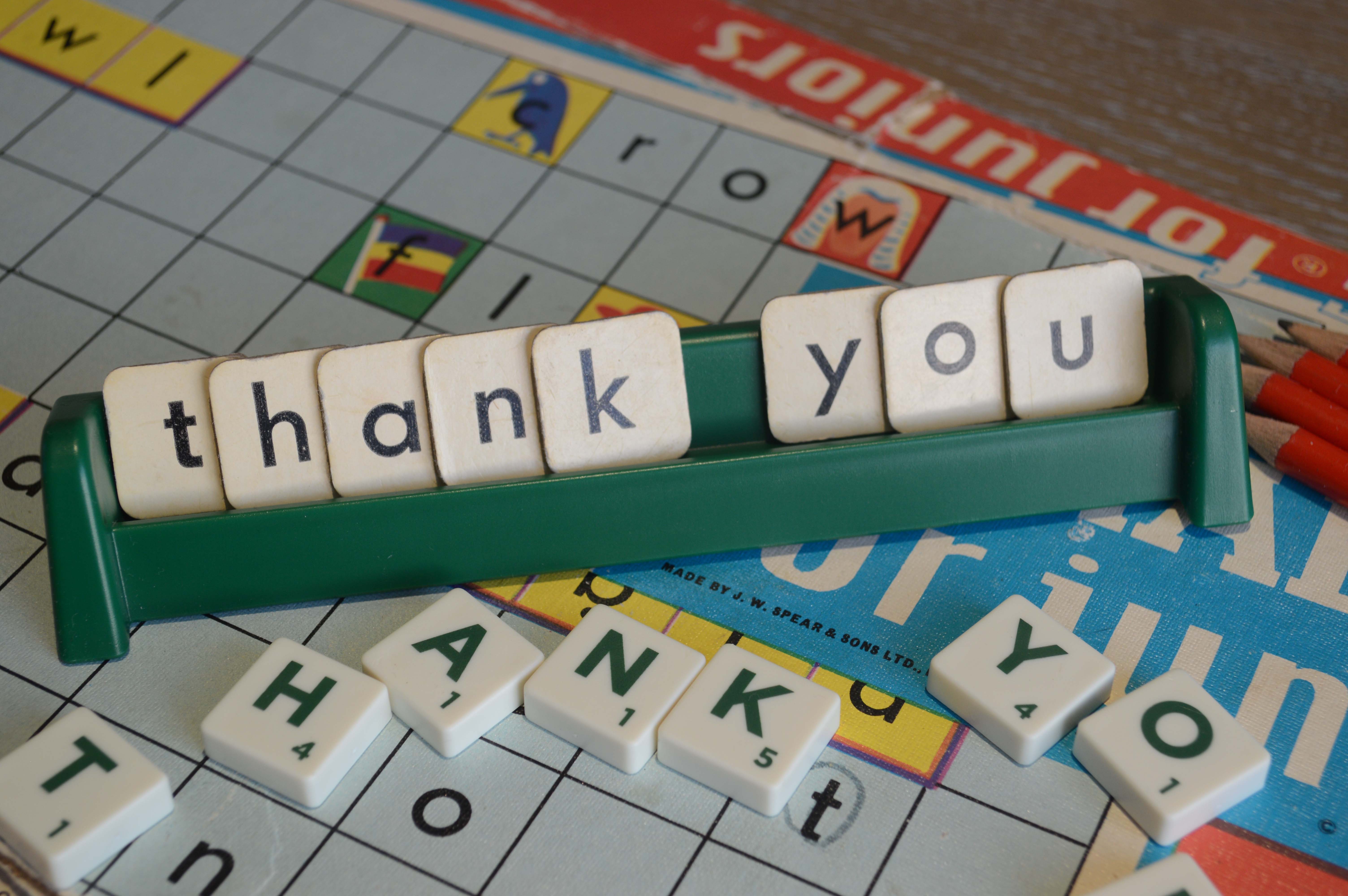
Red Pencil thank you image by Alec Leggat
Engineers Without Borders
Fundraising and communications strategy – Engineers Without Borders
We won a commission to work with Engineers Without Borders to carry out an audit of their fundraising and communications before writing an integrated fundraising and communications strategy. We worked in interactive session with the staff team to interrogate the operating environment for EWB-UK and its fundraising relationships before presenting a comprehensive report to the Board. Typically we would start writing strategies by looking at the organisational outcomes (the desired change) and outputs (how change will be measured) and then align fundraising and communications activities to those organisational objectives. However, Engineers Without Border was ‘between’ strategy development stages so we used a Theory of Change approach to align recommended fundraising and communications activities to established best practice in those areas.
Fundraising clients include: Adfam, Bedford and Luton Community Foundation, Camden Citizen’s Advice Bureau, Ezer Leyoldos, Choice Support, Why Me? and Women and Children First
‘We commissioned Red Pencil to comprehensively review our approach to fundraising and communications, something that was much needed in light of numerous unsuccessful funding bids, a disinterested membership and a key message that was confusing to an external audience. We still have much to do but Red Pencil’s work, particularly the outputs and tools provided, have given us independent and impartial evidence to support the changes we need to make and a solid starting position from which to build.’

Branding in Small Charities – the results
There is a huge amount of academic research into charity brands – but it is typically carried out with the very largest charities, often the top 10 or 100 by income. Only one published study had looked into branding in small charities – but had not defined what the researchers meant by ‘small’.
Many of the branding studies with large charities, and those with corporates and SMEs, had found strategic benefits to effectively managing brands, reinforced by branding stories in the sector press that also showcase the benefits.

Compilation of logos from Third Sector branding article 2012
- Shelter’s re-positioning helped land new corporate partnerships.
- Macmillan’s rebrand helped increase donors by 27% and raised additional £5m.
- Parkinson’s UK’s voluntary income up 15% worth extra £1m a year.
- Save the Children’s brand refresh helped integrated fundraising appeals raising over 50 % more than target of £500,000.
Branding in Small Charities
The Branding in Small Charities survey set out to draw up a model of brand management and find out (a) whether small charities (under £1m) were managing their brands and (b) whether they experienced the same benefits of and barriers to branding that have been evidenced in the studies with large charities.
The method
One hundred and thirty-seven charities with annual incomes of £1million or less plus a focus group of eight small charity practitioners took part in the research. Branding in Small Charities investigated whether small charities are managing their brands and, if so, whether they are experiencing the organisational performance benefits evidenced in research with large charities, commercial organisations and SMEs. It also investigated whether who manages brands in small non-profits makes a difference to realising operational advantages.
The end goal was to develop practical Information, Advice and Guidance (IAG) for small charity managers and CEOs to help build strong, effective brands.
The findings
Branding in Small Charities found that small non-profits are actively managing their brands but that it was necessary to adapt the models of brand management found in the research with other sectors to make them relevant to smaller charities.
From the contributions of the study’s participants, it was possible to draw up models of branding specific to small non-profits and identify the priority IAG required to support staff and volunteer teams within smaller charities to manage brands across the areas studied – brand benefits (measured in outputs and outcomes) and barriers.

Brand management continuum copyright Red Pencil
Branding in Small Charities also found that small charities where the brand is managed by a team of people across different managerial levels are better able to realise the benefits of branding practices and manage barriers.
What does this mean?
Branding in Small Charities brings the numerous, well-evidenced benefits of brand management identified in better-resourced sectors within the reach of small charities through the models that we developed and the lessons learnt about the most effective ways in which to manage and build strong brands.
Given that the well-established benefits of branding practice in other sectors, include ‘raise more income’, ‘grow supporters’, ‘increase reach’ and ‘develop more sustainable partnerships’, for example, these are very significant strategic advantages.
It is particularly important that these significant operational advantages can be achieved by following straightforward practical models and introducing relatively small changes to managing brands.
Team Hudson is within reach of small charities too.
You can read the results and see all the brand models in the presentation that we gave to the Institute of Fundraising conference in Scotland.
The Small Charity Branding survey – FINAL
Small Charity Brand Survey at the ARNOVA conference
The Small Charity Brand Survey safely installed in the poster presentation section of the international non-profit marketing conference, ARNOVA, in Denver next to some interesting work on the brothels of Bogata.
It was an amazing experience and hopefully the start of the next phase of work on small charity branding. The next step is likely to a working paper for Cass Centre for Charity Effectiveness and exploring further research options. Hope to be back to ARNOVA too.
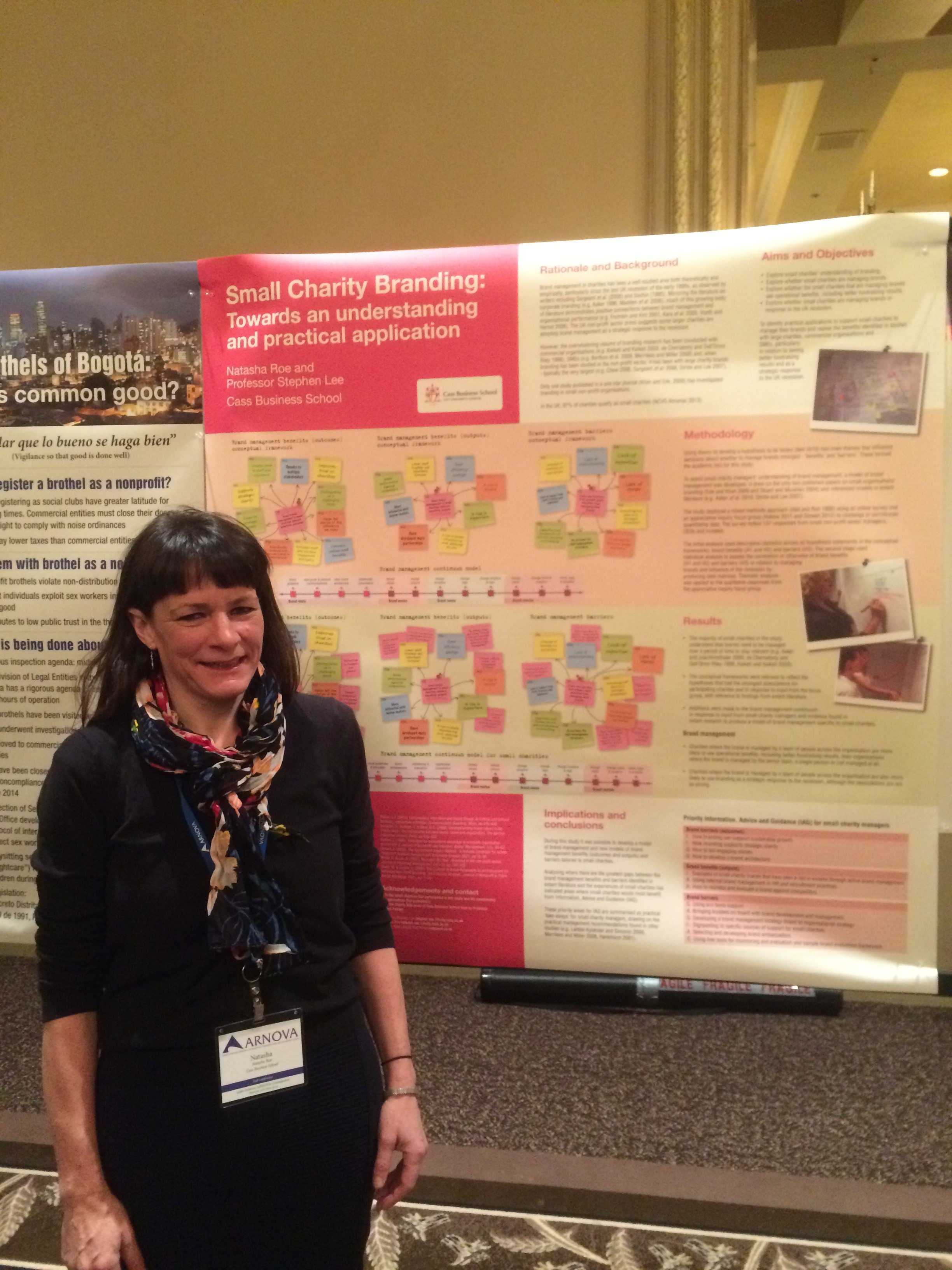
Small Charity Brand Survey at the international non-profit marketing conference ARNOVA in Denver, Colorado
Ruth Harrison
Ruth has held senior fundraising and programme management roles in charities and social enterprises. Her experience spans creative and digital development and delivery, business development and strategic planning, brand, marketing and communications management and project initiation and management.
Ruth has a particular interest in arts and cultural organisations and is a trustee for Little Green Pig.
| Newer Entries »